
CNC BENDING
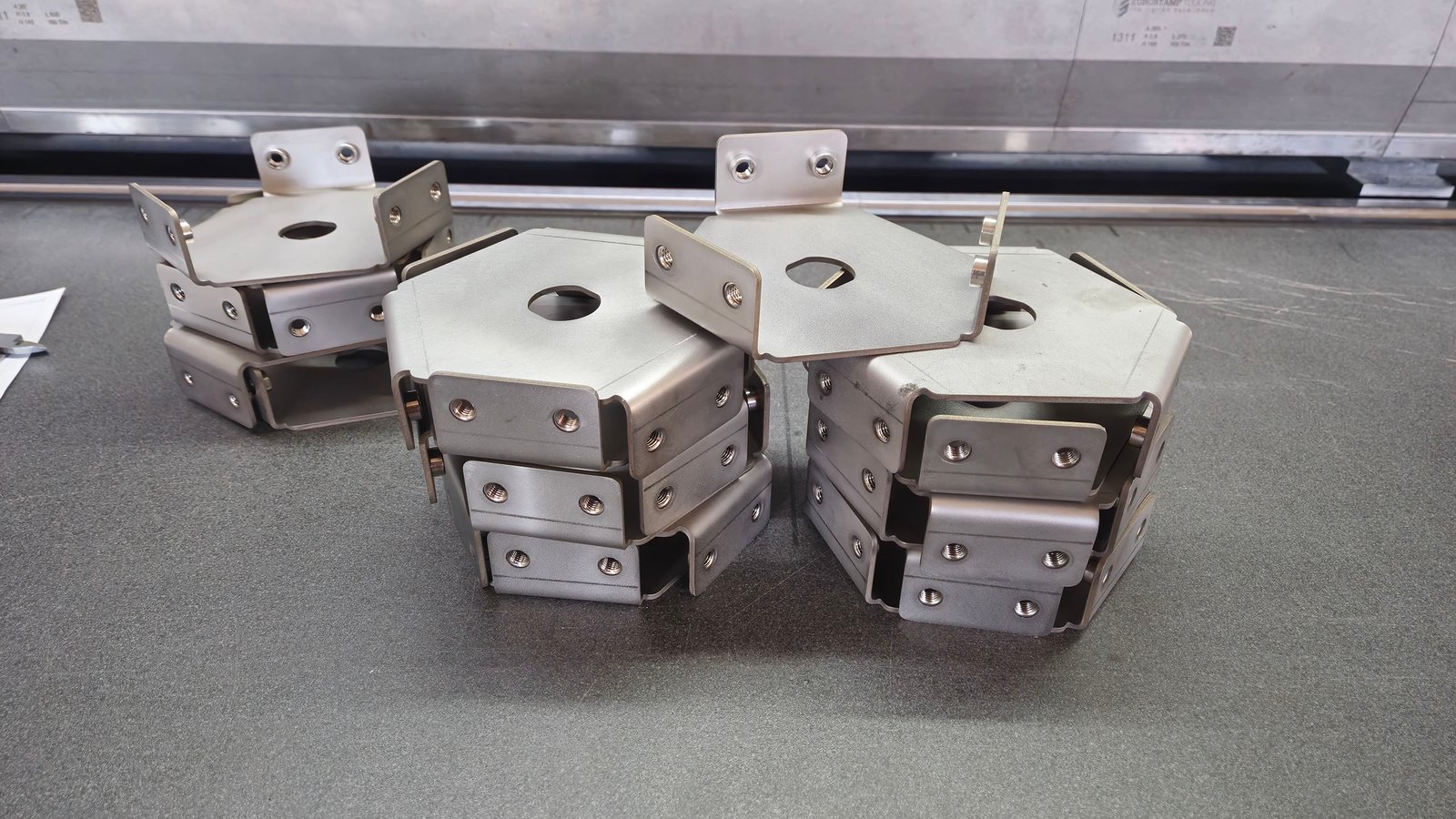
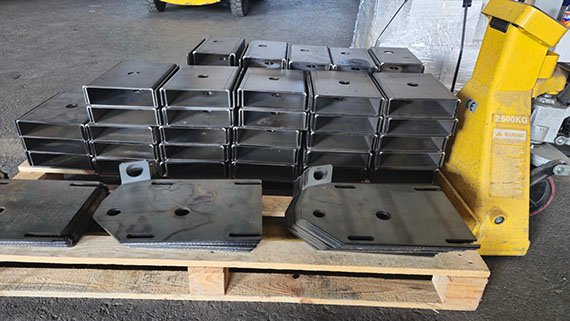
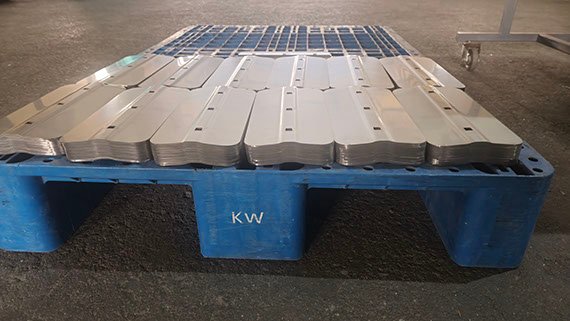
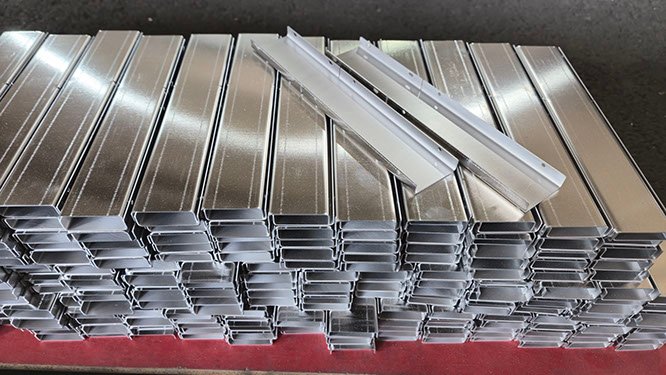
CNC bending is a precision sheet metal forming process using computer-controlled machines. This method is extensively used in automotive, construction, electronics, furniture manufacturing, and other fields requiring accurate, repeatable shapes.
How does the process work?
- Machine programming:
:CAD/CAM software designs parts and generates bending G-code.
- Tool preparation:
Punch and die tools are selected based on material thickness/type and bend angle.
- Material positioning:
The sheet is placed on the worktable, with back gauges defining the bend line.
- Bending execution:
The upper tool presses the sheet into the lower die with program-defined force, achieving the desired angle.

Applications of CNC bending:
- Machinery & metalworking:
Equipment housings, chassis, frames, brackets.
- Automotive industry:
Body panels, doors, hoods, exhaust systems; engine mounts, interior components.
- Construction industry:
Structural profiles, supports, facade panels, roof trusses; staircases, railings, mounting frames.
- Electronics & energy:
Electrical enclosures, cabinets, cable trays; solar panel mounts.
- Furniture & interiors:
Metal frames (chairs, tables, shelves); decorative elements.
- Appliances & white goods:
Components for refrigerators, washers, AC units.
Advantages of CNC bending:

HIGH PRECISION & REPEATABILITY
Computer control ensures consistent, accurate results.

SPEED & EFFICIENCY
Rapid execution of complex operations with minimal adjustments.

FLEXIBILITY & COST - EFFECTIVENESS
Creates diverse forms/angles without tool changes.